IP65 vs IP67 LED Neon: Which Rating Does a Sign Need?
· 3 min read
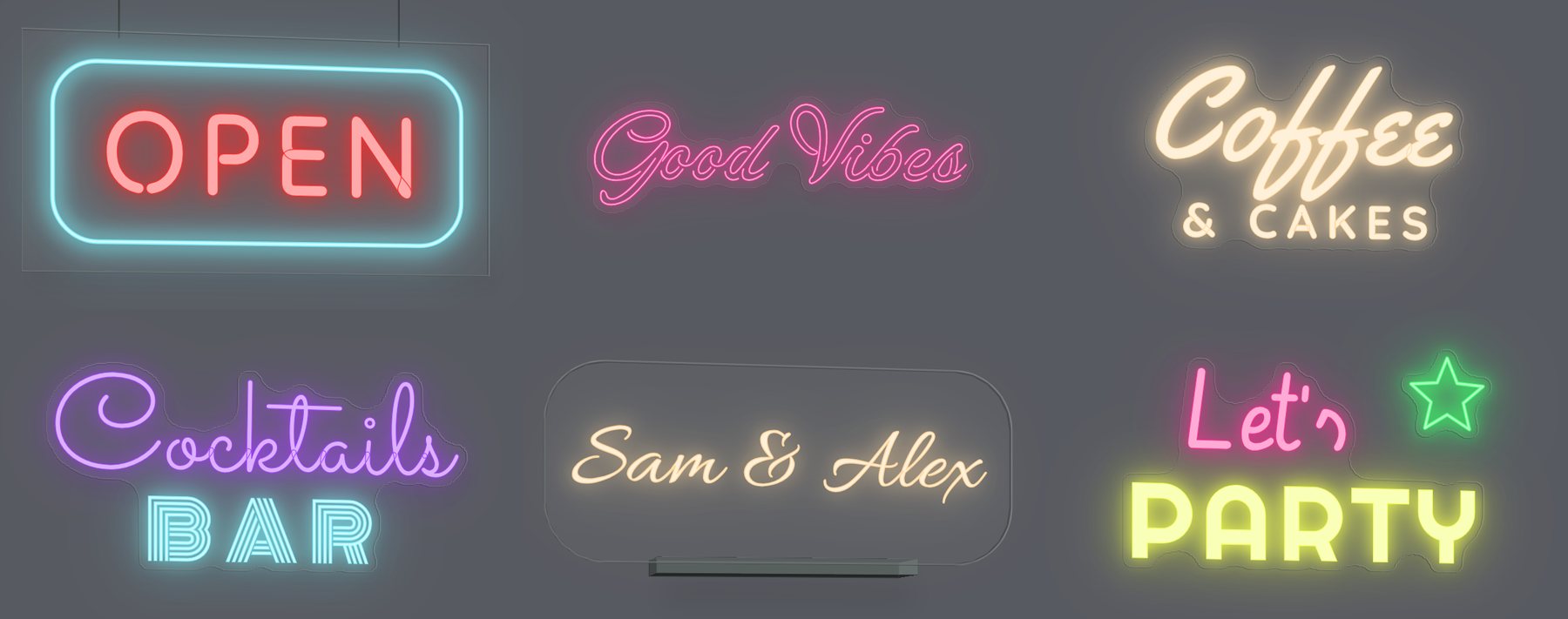
Short answer: use IP65 LED neon for signs that live indoors, and IP67 for any sign that will be outside, even under an awning. IP65 handles splashes and dust. IP67 is sealed well enough to survive rain and standing water.
Customers ask about this all the time, and "is it waterproof?" has a more useful answer than yes or no. Here is what the rating means and how to explain it.
What the two digits mean
An IP rating (Ingress Protection, from the IEC 60529 standard) has two digits:
- The first digit is protection against solids, such as dust. Both IP65 and IP67 score 6, the top mark: dust-tight.
- The second digit is protection against water. This is where they differ.
| Rating | Dust | Water | Good for |
|---|---|---|---|
| IP65 | Dust-tight | Jets of water from any direction | Indoor signs: shops, cafes, bars, homes, kitchens |
| IP67 | Dust-tight | Short immersion, up to 1 m for 30 minutes | Outdoor signs: storefronts, patios, signs under awnings |
So both keep dust out completely. IP65 copes with a splash or a spray. IP67 copes with being under water for a while, which is a good margin for rain that runs down a wall and pools in the channels of a sign.
When IP65 is enough
Most LED neon is bought for inside: a name sign behind a counter, a slogan on a cafe wall, a logo in a reception area. None of those see rain. IP65 tube is fine for these, and it is the cheaper of the two.
It also handles the wet corners of an indoor space, like a bar back or near a coffee machine, where the odd splash happens.
When to insist on IP67
Treat a sign as outdoor whenever weather can reach it:
- On a storefront or an outside wall
- On a covered patio or under an awning. Wind blows rain sideways, and the sign still sees damp and big swings in temperature.
- In a window that is opened often, or in an unheated porch
If a customer is unsure, quote IP67. Swapping a failed indoor sign that was hung outside costs far more than the sealing would have.
The rest of the sign matters too
The tube's rating covers the tube. An outdoor sign also needs:
- A power supply rated for outdoors, or one placed indoors with only the cable run outside
- Sealed connections where the tube meets the cable
- A backer that stands up to sun and rain. In Sign Designer, outdoor neon signs only offer clear and colored acrylic backers. Mirror and printed finishes stay on indoor signs.
How to price the difference
The cleanest approach is to charge outdoor sealing per meter of tube, on top of your normal neon rate. The cost then grows with the size of the sign rather than being a flat fee that is too much on a small sign and too little on a big one.
That is how LED neon pricing works in Sign Designer: the estimate measures the tube from the customer's lettering, adds the backer by area, then adds your per-meter rates for RGB and for outdoor sealing. The customer picks indoor or outdoor while designing, sees the price change straight away, and you never quote an indoor sign for an outdoor wall by mistake.
A quick script for customers
"Indoor neon is splash-proof and dust-tight, which is all a sign inside needs. Outdoor neon is fully sealed so rain can't get in, and it costs a little more per meter. If there's any chance it'll see weather, go outdoor."